MSC Cruises is the world’s third-largest cruise line and the dominant force in European cruising, but it is only now making a serious push for American passengers. Founded in Switzerland and rooted in Mediterranean seafaring tradition, MSC brings a distinctly European sensibility to the Caribbean: newer ships, striking modern interiors, and base fares that frequently undercut the competition. For North American cruisers willing to adjust their expectations and embrace a different way of doing things at sea, MSC can represent genuine value. For those who prefer the familiar rhythms of Carnival or Royal Caribbean, the adjustment may take some getting used to.
The MSC Difference
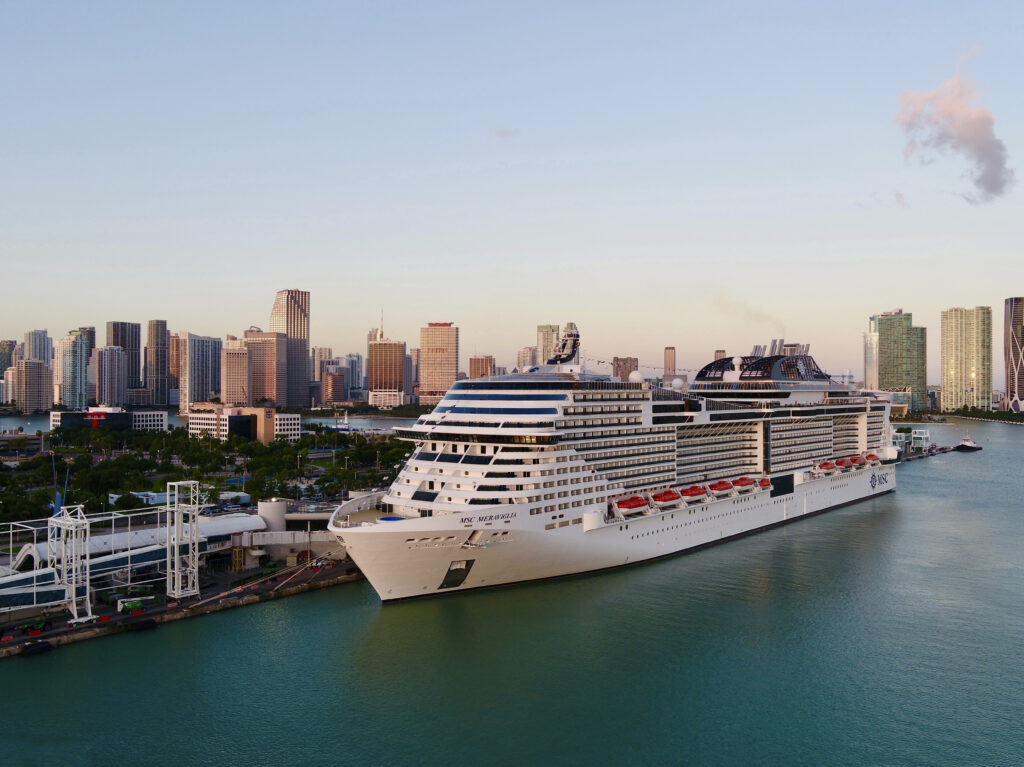
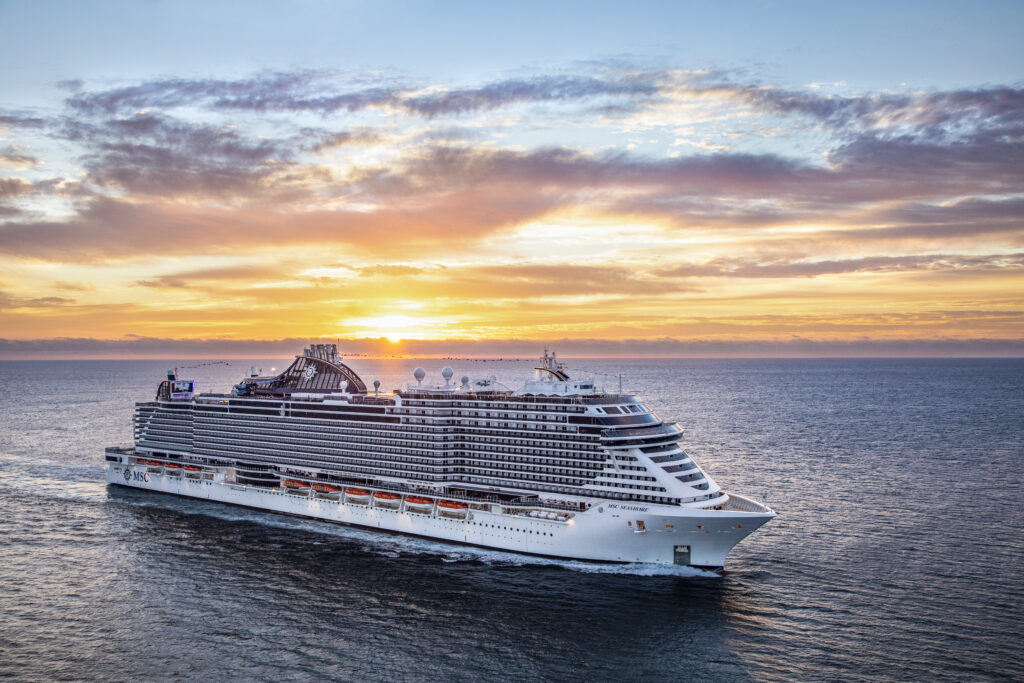
MSC’s US-based fleet operates primarily from Miami, Port Canaveral, New York, and Galveston, with Caribbean and Bahamas itineraries that cover familiar ground. The ships themselves are a genuine selling point: MSC has been on an aggressive building program, and most vessels sailing American waters are relatively new, featuring sleek metallic and glass interiors that feel more like contemporary European hotels than the warmer, more resort-style aesthetic common on American lines. The passenger mix is notably international, which can be a pleasant change of pace for travelers who enjoy encountering different cultures without actually leaving the ship, though it also means the onboard experience is calibrated for a global audience rather than specifically for American preferences. That distinction shows up in ways both subtle and direct, from customer service styles to entertainment programming, and it has generated friction for some guests accustomed to the more attentive, American-oriented service culture of Carnival, Norwegian, or Royal Caribbean.
The most consistent complaint about MSC among American cruisers is the feeling that extras are always just around the corner. Where Carnival or Norwegian tend to include most standard amenities in the fare and offer upgrades as genuine additions, MSC’s baseline experience can feel more stripped down, with a steady stream of opportunities to add on drink packages, dining upgrades, Wi-Fi, and other services that passengers on other lines might take for granted. Savvy travelers who research what is and isn’t included before booking tend to fare better, but those who board expecting a typical cruise experience may find the constant upsell reminders tiresome. MSC does offer package bundles that can address this, and the math sometimes works out favorably, but it requires more homework than booking with most competitors.
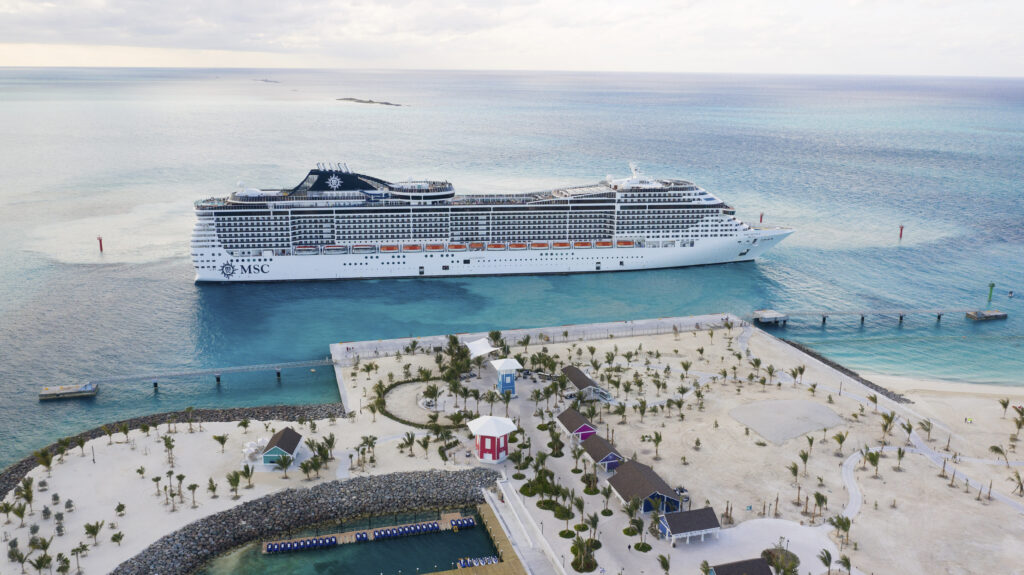
Where MSC earns genuine praise is with its private island stop, Ocean Cay MSC Marine Reserve, which is included on virtually all US-departing itineraries. Unlike the high-energy water park atmosphere of Royal Caribbean’s Perfect Day at CocoCay, Ocean Cay leans into nature and tranquility: only one ship docks at a time, keeping crowds manageable, and the island’s conservation focus means motorized water sports are banned in favor of snorkeling on restored reefs, paddleboarding, and beach relaxation. Ships frequently stay overnight, allowing passengers to catch both sunset and sunrise on the island, which is a genuinely rare perk. For those looking to add a touch of onboard luxury, MSC’s Yacht Club offering deserves a mention: a ship-within-a-ship concept occupying the upper decks of most vessels, with private dining, a dedicated pool, butler service, and keycard-only access. Travel writers who have reviewed it tend to praise the experience while questioning whether the significant price premium over a standard MSC cabin is justified, particularly given that the rest of the ship’s experience doesn’t quite match the Yacht Club’s level. For the right traveler, though, it represents a way to access genuine luxury at a price point below dedicated luxury lines.